
Racism has been a problem since the past, as certain people believed that they were superior to others, not treating them equally. Eventually, as time went on, there have been laws and policies that prevented some of the unfairness and negativity. However, racism still goes on in society, and environmental racism is one of the specific kinds of racism. Environmental racism refers to the discrimination within where people live, especially within the minority and lower-income communities. Poorer people tend to live in areas that are in worse conditions, like near polluting factories, than the places the wealthy live in because the land is cheaper and more affordable. Although it is true that income levels have an effect, the biggest factor is race. There are certain policies that have negative impacts on these specific people. Environmental racism is real, even the Environmental Protection Agency (EPA) has confirmed it.

The problem is in the different point of view of people. Environmentalists tend to focus on preserving the environment like national parks and monuments, where people don’t live and only visit sometimes for vacations. Because of this, they fail to pay attention to the conditions of where people actually live, resulting in poor living conditions for those who can’t afford good places, like minorities and low-income residents. People living in poverty are more exposed to fine particulate matter, which is both natural and man-made solid and liquid particulates that is released into the air and causes a variety of health problems, like lung disease, heart attack, and even death. In an article called Environmental Health Perspectives, there was a claim that these problems were related to racial segregation, as data showed that people of color were more exposed to polluted environments that cause poor health conditions.
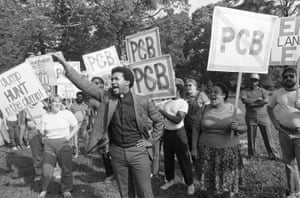
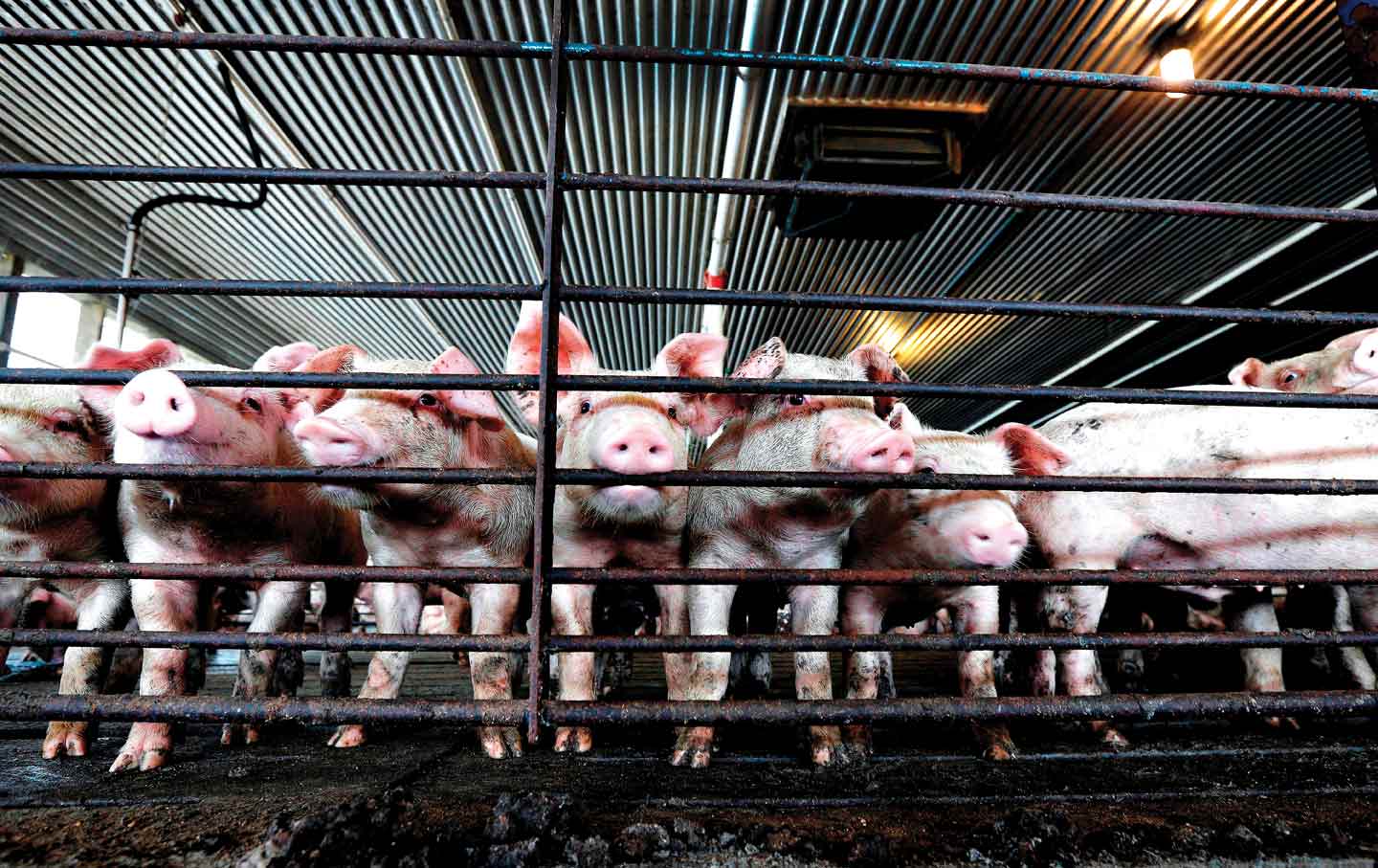
There have been protests among the minority groups since the past over these unfair regulations. In 1982 in Cheraw, South Carolina, Rev. Ben Chavis and a group of people protested, demanding that no more PCB was dumped in a landfill near their town because it was causing cancer due to the pollution that are resulted. Moreover, most people think that the polluters are just smoke-producing factories and industries, but in reality, there are lots of other places that create a great amount of harm. One of the places is actually the food industry, like factory farms and slaughterhouses. Among these, one of the biggest contributors are industrial pig farms, as they pollute the air and the water due to the large amounts of manure lagoon they produce and release into the environment. Also, in North Carolina, the fact that the number of pigs in the factories outnumber the number of residents in the area tells a lot.
Of this problem, the biggest problem is that it is not widely known, so the first step would be to spread the knowledge. If all of the research is confirmed and published into a well-known public health journal, then awareness about environmental racism would spread, allowing people to focus on this problem, in order to come up with further solutions. Also, if people think in different perspectives, solutions will be easier to find. For example, environmental justice activists believe that the environment is where people actually live and work, not the nature where there is no human activity. Lastly, one of the solutions that are already in play being carried out by the EPA. It has ordered several institutions already that cause lots of pollution to dismantle.
As I researched about environmental racism, I learned a lot about the world, and how it is ironic at times. There are lots of programs and services done by the society in order to help those in need, but I feel like the starting place is a little off. If the living conditions of the minority and low-income residents are improved, then their health conditions will naturally improve, resulting in less people in hospitals and in need of more help.
What do think about environmental racism?
What do you think is the first step toward the solution to these problems?
What do you consider “the environment”? (Nature or where people live?)
Work Cited
https://www.questia.com/


2 comments:
I think environmental racism is a problem that must be resolved soon as it is endangering many minority groups and causing their quality of life to diminish. I realize that minorities have face inequities in all aspects of their lives, but I never realized that race played a role in housing as well. Historically Black/Latino/Asian neighborhoods are situated in less than ideal areas that are close to factories or other polluted areas. Not much is done to keep living conditions safe and healthy for the families living here unlike affluent predominantly white neighborhoods which aren't as polluted. I think the first step towards alleviating this issue is talking to residents living in these polluted neighborhoods and learning about what their greatest concerns are. With that knowledge, then companies that are operating close by can be monitored to see if they are endangering the people that live in these neighborhoods with their production means.
This is deep...there are so many factors that contribute to environmental racism; however, the end result is still unjust, needing to be solved. Ethnic enclaves have developed into geographic or socioeconomic stereotypes, leading to racism and unfair distribution of environmental degradation. Hopefully, our administration learns to listen to EVERY group's voice in order to tackle this problem.
Post a Comment